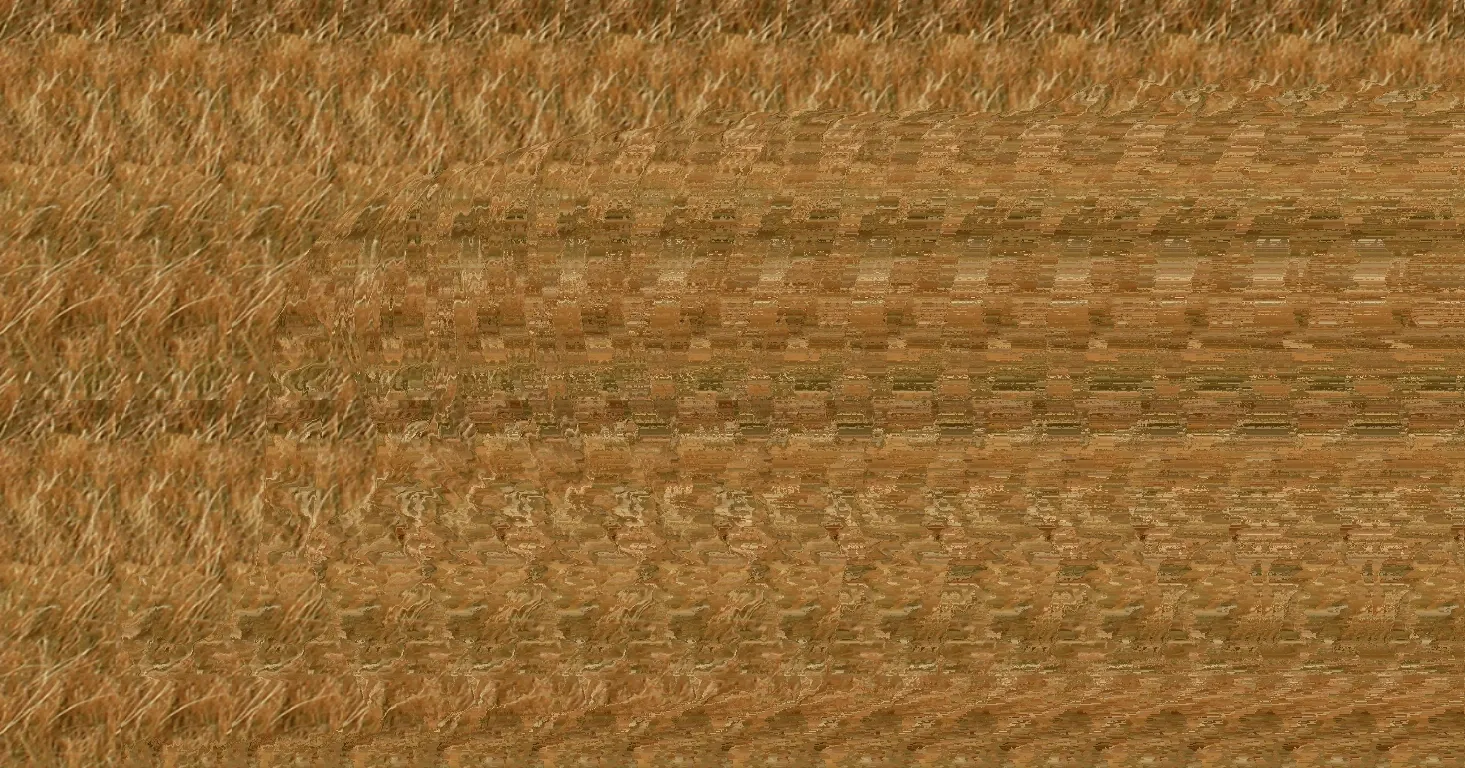
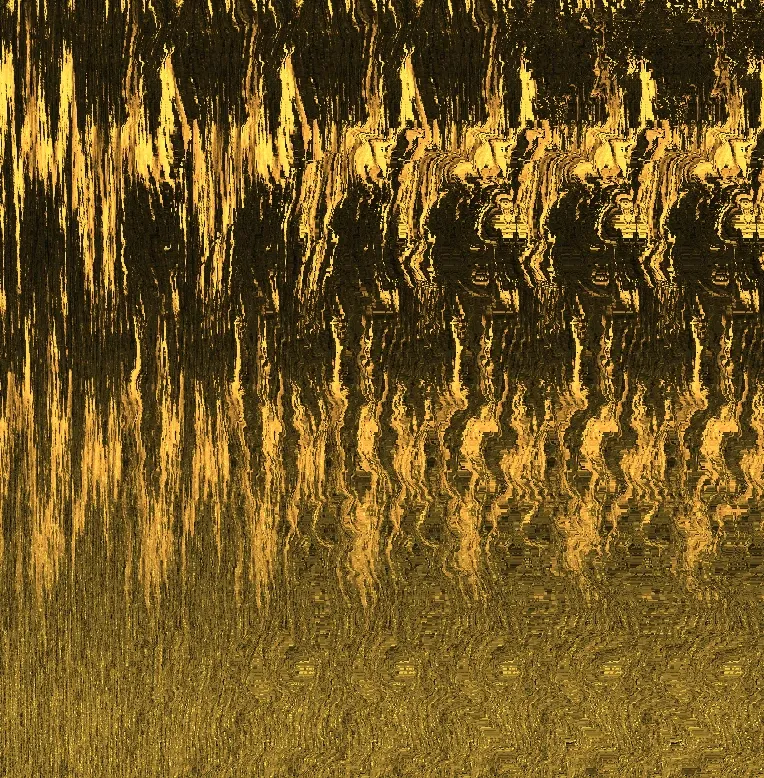
This piece treats camouflage as a negotiation between nature’s randomness and computational intention. From afar it reads as an environment; up close it becomes a repeating digital skin. Inside that skin is a third layer—hidden depth—only visible through stereoscopic perception or interactive reveal. The work asks whose vision matters most: predator, prey, or the environment itself—and how “beauty” changes when the image contains a secret.
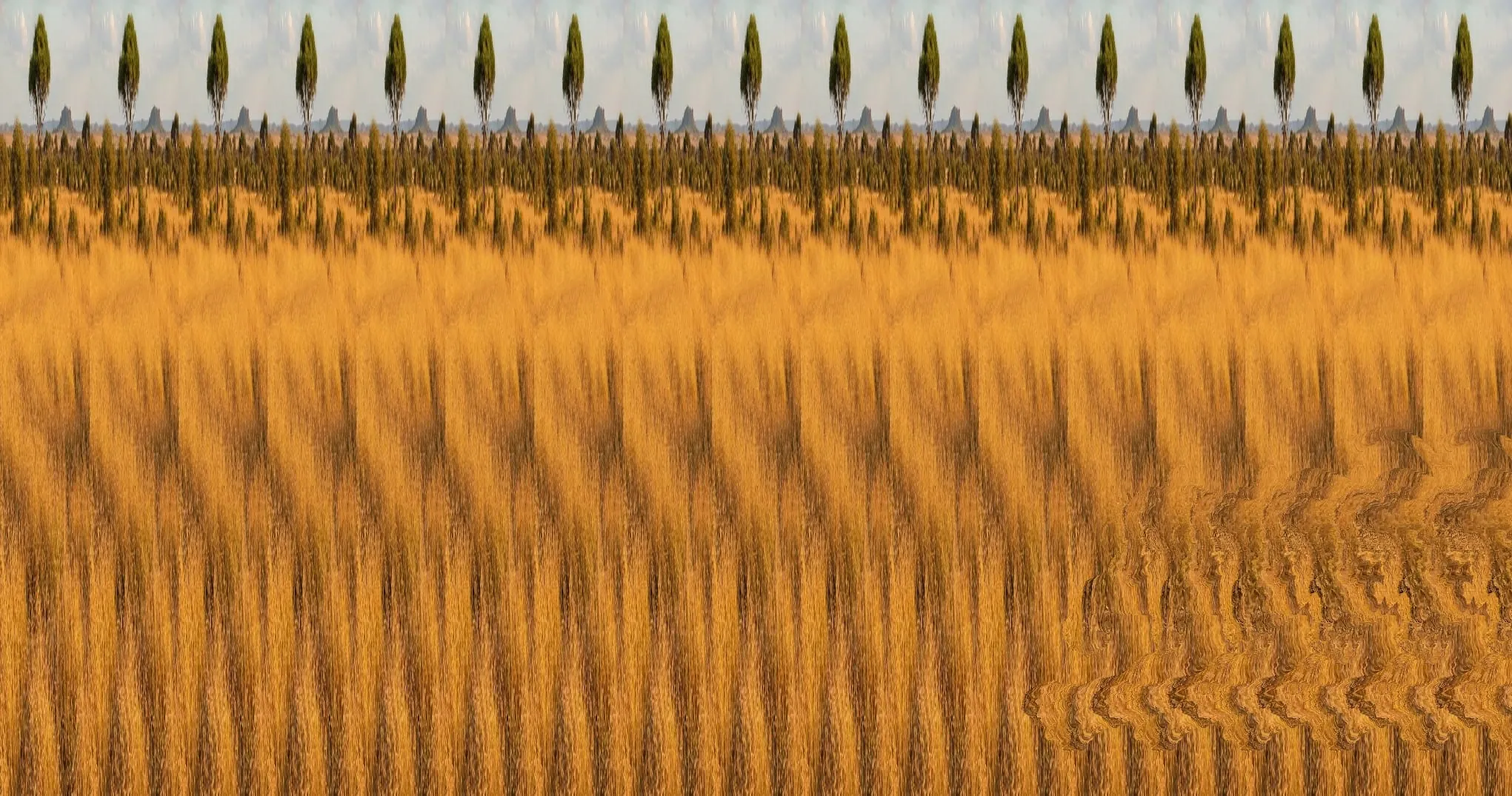
Here are my inspirations for this work…
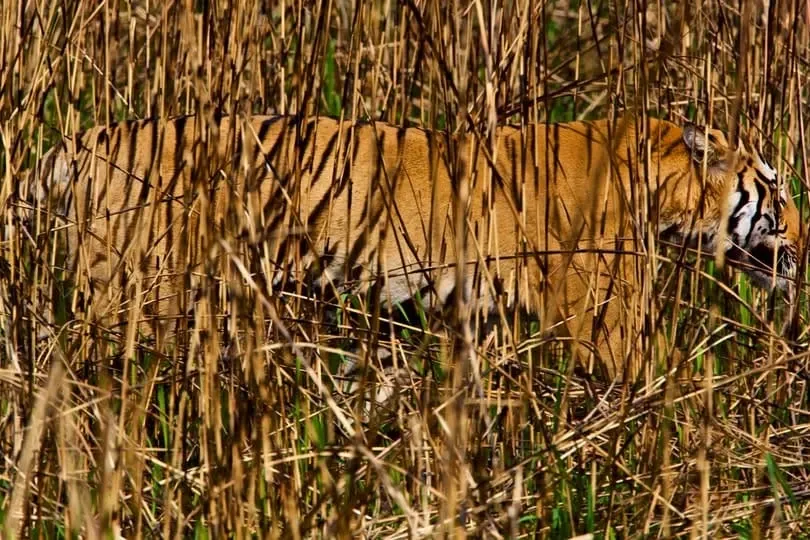
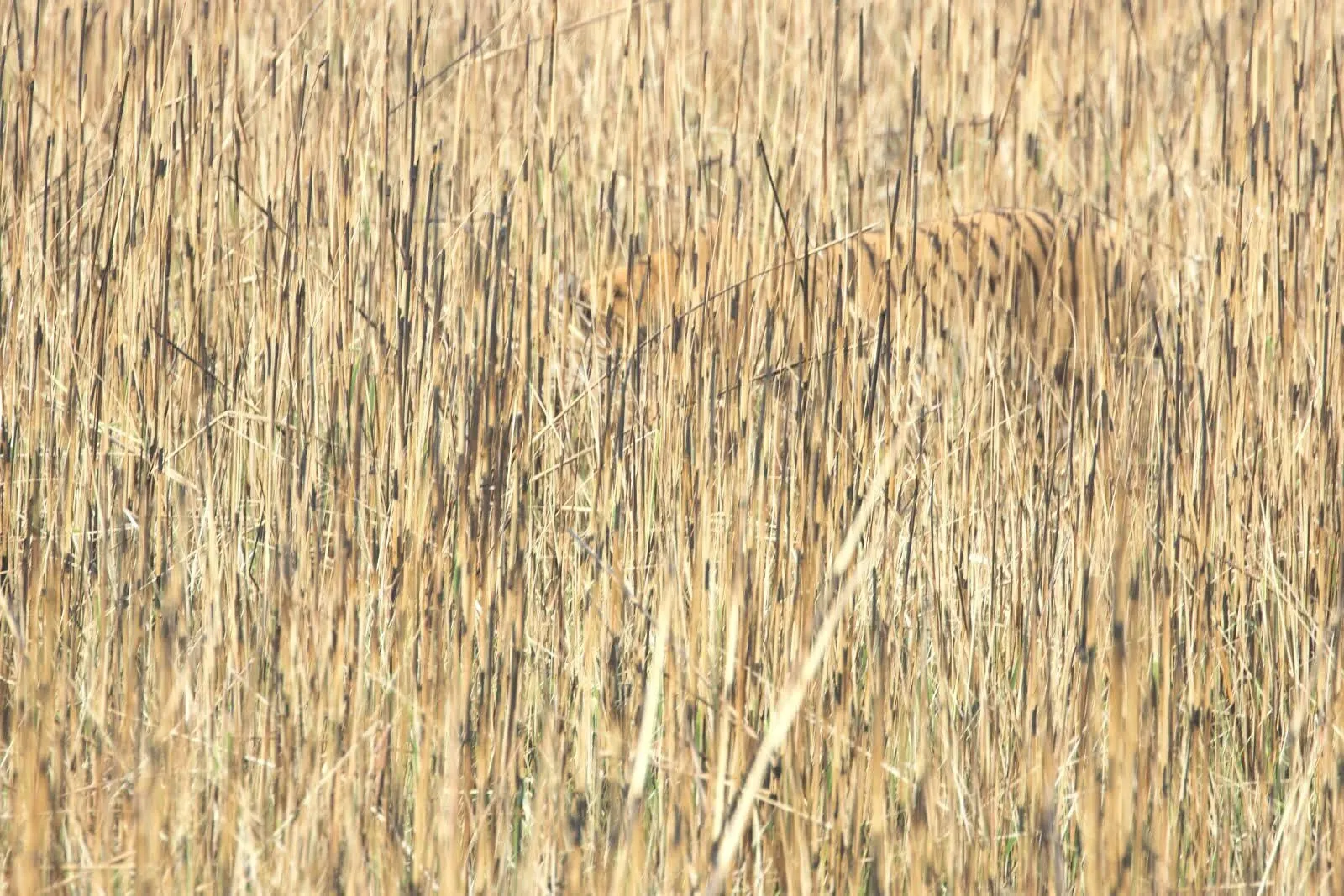
Tiger stripes function as hybrid camouflage: they don’t simply hide color, they hide form. In tall grass, the environment already contains dense vertical lines and high-frequency texture. The tiger’s stripes align with this structure, creating disruptive edges that fragment its silhouette and delay recognition by prey. Because many prey species perceive color differently than humans, the orange coat reads closer to dry vegetation tones, while the stripe pattern handles the critical job of breaking the body outline under dappled light and partial occlusion.
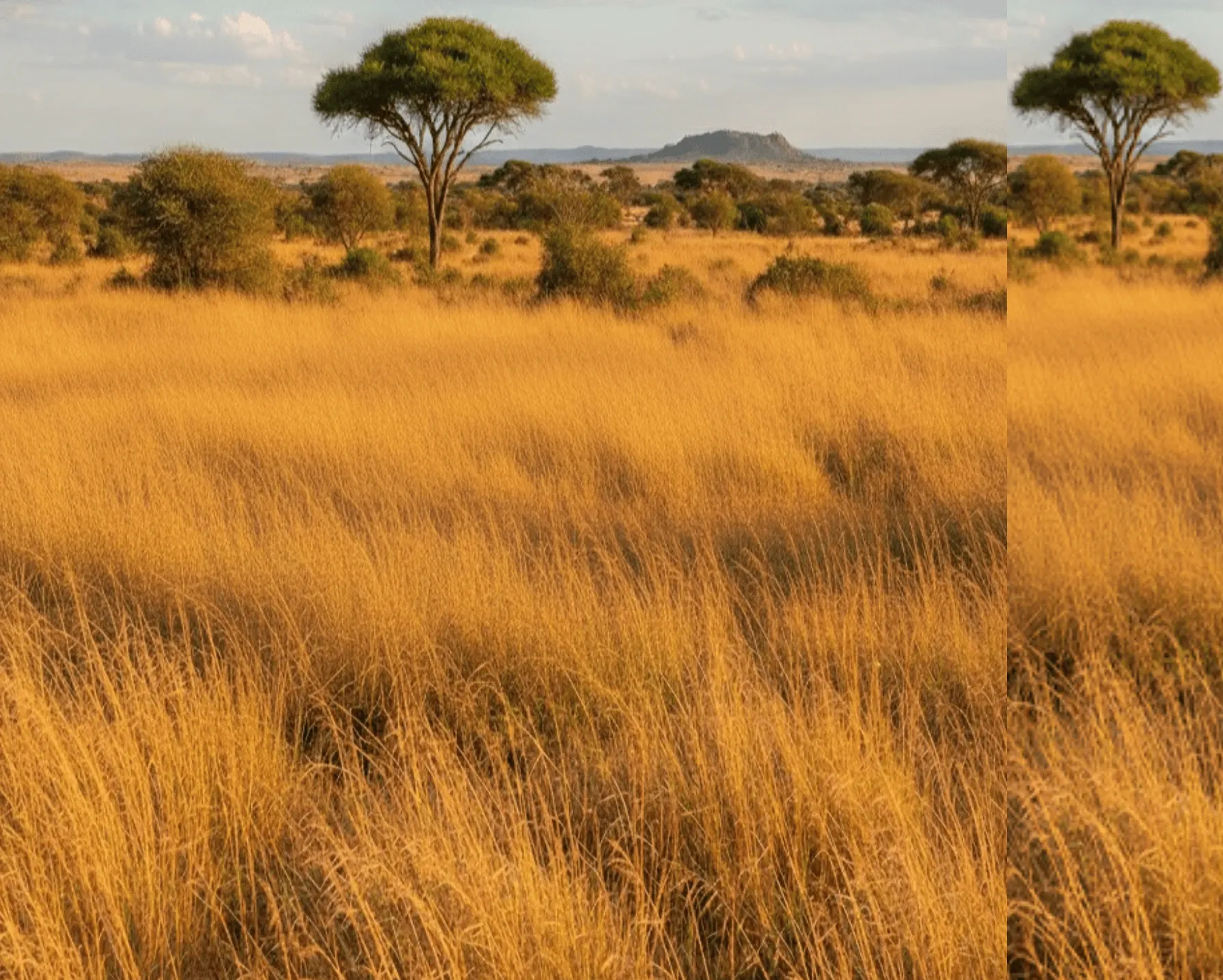
Prey’s View: tiger stripes don’t hide the tiger — they hide recognition. A stereogram camouflage embeds the predator as hidden depth; a mouse-reveal tool exposes the silhouette for viewers who can’t perceive the 3D illusion.
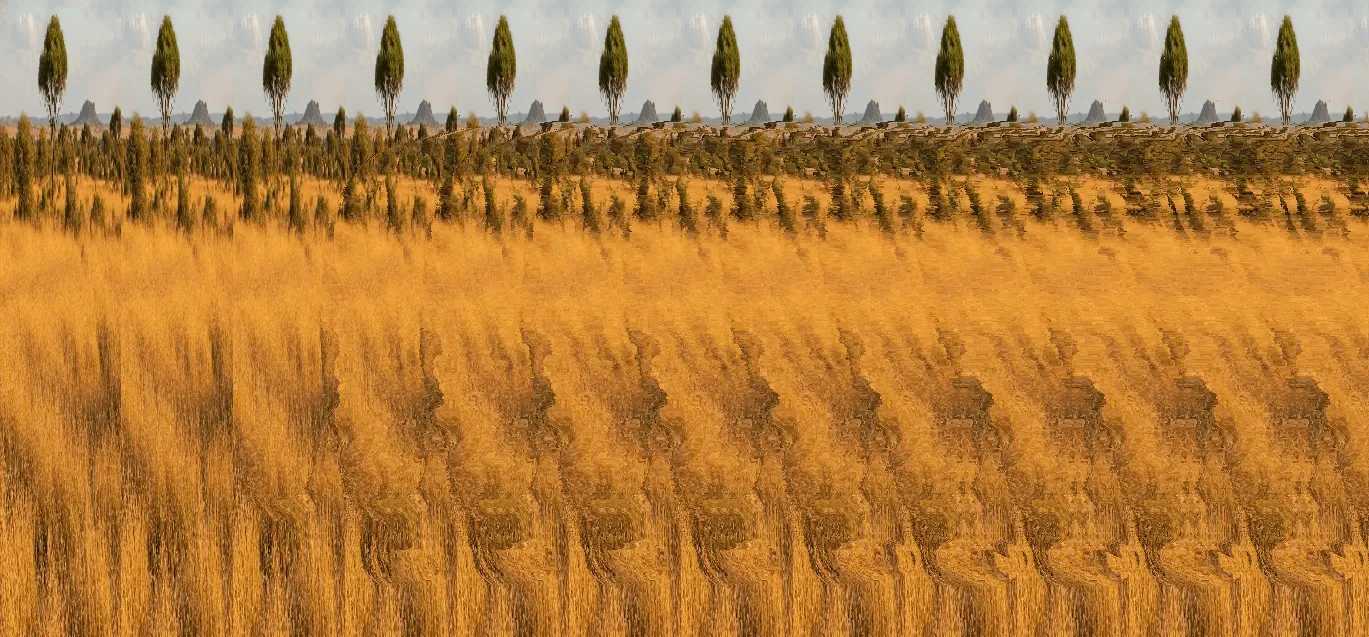
Can you find a tiger? Cross your eyes! Plus, if you can find the tiger in the first image, let’s see other stereograms!